
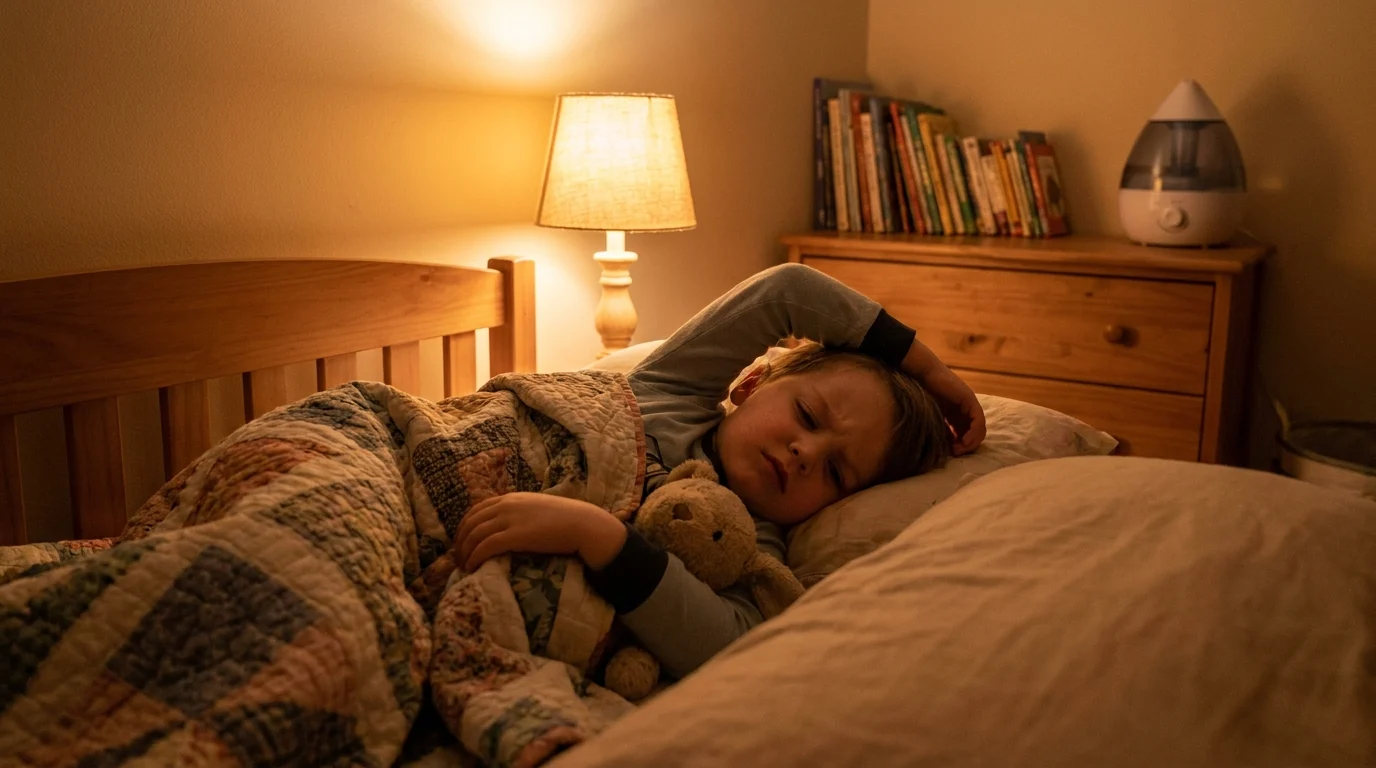
One week your child is running around full of energy. The next, they seem exhausted, pale, or unusually quiet. It’s a pattern many parents notice and naturally start wondering about: why is my child so tired all of a sudden? Parents are often confused about whether it’s just a growth phase, poor sleep, or something else going on.
In many cases, tiredness in children is temporary and harmless. But sometimes there is an underlying reason, especially when the tiredness lasts longer than expected or starts affecting mood, concentration, sleep, or appetite.
Instead of simply feeling sleepy, tiredness in children often shows up as irritability, poor focus, emotional meltdowns, or loss of interest in activities they normally enjoy.
The cause of sudden tiredness can also vary by age. A tired 3-year-old may have very different triggers compared with a 7-year-old struggling in school or a 10-year-old entering early puberty.
This guide covers the most common hidden causes, the warning signs worth paying attention to, and the tests that may help find the reason behind your child’s low energy.
Warning Signs Your Child’s Tiredness May Need Medical Attention
Most children do not walk up and say they are fatigued. Parents usually notice the change first.
It often shows up through behavior changes, mood swings, sleep problems, or declining school performance before the underlying cause is recognized.
Some changes are subtle, while others become more noticeable over time. Common warning signs include:
- Sleeping much more than usual
- Waking up tired even after a full night’s sleep
- Pale skin or dark circles under the eyes
- Irritability or emotional meltdowns
- Difficulty focusing or remembering things
- Loss of interest in play or activities they normally enjoy
- Frequent headaches or dizziness
- Reduced appetite
- Getting sick more often
- Falling asleep during the day
- Declining school performance
- Shortness of breath during physical activity
These signs can vary by age and are easy to overlook.
Younger children may become clingier, ask for extra naps, or have more emotional meltdowns, while older children may struggle with concentration, motivation, headaches, or declining school performance.
Others simply move more slowly, complain of leg pain, or become unusually sensitive to noise and stress.
However, not all tiredness is a cause for concern. Growth spurts, busy school terms, and minor illnesses can all temporarily drain a child’s energy.
But when fatigue stretches beyond two weeks with no clear cause, it is worth looking into. That kind of tiredness usually has an underlying reason, and in many cases the cause can be identified with the right evaluation and tests.
Sudden Tiredness in Children by Age: 3 to 10 Years
The causes of sudden tiredness are not the same at every age. A 3-year-old and a 10-year-old can show similar symptoms but for very different biological reasons.
Here is what is most commonly behind it at each stage.
Why Is My 3-Year-Old So Tired All of a Sudden?
At three, children are growing rapidly, and their energy needs are high. So when a 3-year-old suddenly seems flat, clingy, or less interested in play, it’s worth paying attention.
Sudden tiredness at this age is commonly linked to iron deficiency from picky eating or limited diets, disrupted sleep, viral infections, or enlarged tonsils that can affect breathing during sleep.
Instead of describing tiredness, children at this age show it through behavior changes like more meltdowns, extra nap requests, pale skin, or a preference for sitting quietly rather than running and playing.
At this age, some of the more common causes include:
- Iron deficiency from limited diets
- Sleep regression or poor sleep quality
- Viral infections
- Enlarged tonsils or mouth breathing
- Growth spurts
- Dehydration or inconsistent eating
If it has lasted longer than two weeks and your child seems genuinely unwell, ask your pediatrician about checking ferritin, CBC, and vitamin D levels.
Why Is My 5-Year-Old So Tired All of a Sudden?
Starting school is more exhausting than it looks. Five-year-olds are juggling new routines, classroom rules, friendships, and longer days all at once.
Most manage to hold it together during school hours and only fall apart once they get home.
Beyond school exhaustion, a tired 5-year-old may also be dealing with iron deficiency, low vitamin D, frequent infections, or sleep quality problems like snoring and nighttime mouth breathing.
When tiredness starts affecting daily life, children may begin showing signs such as:
- Falling asleep earlier than usual
- Reduced focus or shorter attention span
- Mood swings or meltdowns after school
- Frequent headaches
- Leg pain at night
- Dark circles under the eyes
The emotional exhaustion often comes first, before any physical signs appear.
If your child seems fine at school but falls apart every evening at home, that pattern is worth mentioning to your doctor.
Why Is My 7-Year-Old So Tired All of a Sudden?
At seven, fatigue often looks like something else entirely.
A child who loses their temper easily, struggles to concentrate in class, or complains of headaches after school may not appear overtly tired at first glance.
Teachers are often the first to notice the change because concentration and emotional regulation tend to decline before physical tiredness becomes obvious at home.
Iron deficiency is one of the most commonly missed causes at this age. Hemoglobin can appear normal on a standard blood test even when ferritin is already low.
Ferritin reflects the body’s actual iron stores available for energy and brain function.
Other common causes at this age include:
- Poor sleep quality despite enough hours
- Thyroid dysfunction
- Vitamin D deficiency
- School-related stress or anxiety
- Repeated infections keeping the immune system busy
One thing worth knowing: an overtired 7-year-old can look hyperactive rather than sleepy. Reduced attention, irritability, and emotional outbursts often appear long before parents notice any physical tiredness.
Why Is My 10-Year-Old So Tired All of a Sudden?
Ten is a transitional age. Hormonal shifts are beginning, academic pressure is increasing, and sleep patterns often start to change.
A 10-year-old who is suddenly exhausted is not always just going through a phase.
Late-night screen use disrupts melatonin production more significantly at this age than most parents realise.
Low ferritin, poor eating habits, or early thyroid-related changes can make the low energy more noticeable over time.
When fatigue becomes more persistent, parents may start noticing changes like:
- Sleeping longer but still waking up exhausted
- Reduced motivation or emotional flatness
- Poor concentration and brain fog
- Increased cravings for sugar or processed food
- Headaches that were not there before
- Mood changes that seem out of proportion
In many children, changes in mood, motivation, or school performance appear before parents realise their child is physically exhausted.
Hidden Deficiencies That Can Cause Sudden Tiredness in Children
Many deficiencies build quietly over time. A child may still attend school, play normally, and appear mostly fine, while energy levels gradually start to decline in the background.
By the time fatigue becomes obvious, the underlying issue may already be present for weeks or even months.
The most common deficiencies are outlined below.
| Deficiency | Why It Happens | Key Signs |
|---|---|---|
| Iron Deficiency (Low Ferritin) | Low intake, rapid growth, picky eating | Fatigue, poor focus, irritability, pale skin |
| Vitamin D Deficiency | Low sun exposure, indoor lifestyle | Low energy, muscle aches, frequent infections |
| Zinc Deficiency | Poor diet intake, selective eating | Low appetite, slow healing, poor attention |
1. Iron Deficiency and Low Ferritin
Iron deficiency remains one of the most commonly missed causes of fatigue in children, especially in picky eaters, rapidly growing children, or those with limited intake of iron-rich foods.
The CDC highlights iron as one of the most important nutrients for growing children, noting that deficiency is more common than many parents realise.
Most parents do not realise that ferritin can fall low long before hemoglobin drops enough to show anemia.
According to a study published on NCBI, a child can have a completely normal CBC and still be iron-depleted at the cellular level. This is why ferritin needs to be requested separately.
When ferritin is low, children may not always look sick, but patterns often start to change:
- Less focus during school work
- Forgetfulness or reduced attention span
- Broken or restless sleep
- Frequent headaches
- Paler appearance, especially inside the eyelids
- Irritability that feels out of proportion
- Reduced stamina during play or sports
In some children, low ferritin can also affect attention, working memory, and classroom behavior in ways that resemble ADHD.
Research suggests ferritin levels may be associated with attention and behavioral symptoms in children, which is why it is important to check ferritin specifically, not just hemoglobin.
Because of this overlap, iron deficiency and ADHD can sometimes look similar in day-to-day life.
Understanding the differences is important for proper evaluation and management. To explore these differences in more detail, see our guide on ADHD vs Iron Deficiency in Children: 7 Hidden Signs to Avoid Misdiagnosis.
2. Vitamin D Deficiency
Vitamin D is not only important for bones. It also supports immune balance, muscle strength, and overall energy regulation.
Children with low vitamin D rarely present with a single clear symptom. Instead, the pattern is often subtle:
- Feeling tired even after adequate rest
- Muscle aches or “growing pains,” especially in the legs
- More frequent infections or colds
- Lower physical endurance
- Mild mood changes or low motivation
Because these signs overlap with normal childhood variation, vitamin D deficiency is often overlooked unless specifically tested.
Children who spend more time indoors, have darker skin tones, or limited sun exposure are at higher risk, but deficiency is now seen across all groups.
3. Zinc Deficiency
Zinc deficiency usually develops gradually, which makes it harder to notice in the early stages.
Because the changes are slow, shifts in energy levels, appetite, and immune function are often mistaken for normal growth or normal childhood variation.
Signs that zinc may be low include:
- Reduced appetite or selective eating
- Frequent minor infections
- Slow wound healing
- Difficulty sustaining attention
- Slower-than-expected growth patterns
These symptoms are non-specific and overlap with many common childhood complaints, which is why zinc deficiency is frequently missed unless a doctor specifically looks for it.
Hidden Medical Causes of Sudden Tiredness in Children
1. Thyroid Problems in Children
Thyroid problems in children are easy to miss. They develop slowly, and the early signs are usually put down to tiredness, mood, or a busy schedule.
One reason they get missed is that a child’s TSH level can still look normal even when thyroid function is not ideal.
A study published on NCBI found that children can have thyroid dysfunction even when their TSH falls within the normal range.
Signs of thyroid-related fatigue include:
- Ongoing tiredness despite adequate sleep
- Unexplained weight gain
- Feeling cold more often than peers
- Constipation
- Dry skin or hair changes
- Slower growth
- Reduced concentration
- Low mood or reduced activity
If several of these symptoms are present for a few weeks, it is worth asking your doctor to test both TSH and free T4 together. TSH alone can miss milder cases. In addition, thyroid symptoms in children can closely resemble ADHD.
One study published in the American Academy of Pediatrics journal found that children with thyroid dysfunction are sometimes evaluated for ADHD before the underlying thyroid issue is identified.
To understand this overlap in more detail, see our guide on ADHD vs Thyroid in Children: 7 Hidden Signs of Misdiagnosis Parents Must Know.
2. Sleep Problems That Cause Daytime Fatigue in Children
According to the CDC, children need more sleep than adults, and when that sleep is poor quality, it shows up during the day as low energy, mood changes, and difficulty concentrating.
A child can sleep ten hours and still wake up running on empty if the quality of that sleep is poor.
The most common reasons behind poor sleep quality in children include:
a. Obstructive Sleep Apnea and Enlarged Tonsils
Obstructive sleep apnea is one common cause and often linked with enlarged tonsils or adenoids.
These children may briefly wake multiple times during the night without fully realizing it, leading to poor restorative sleep.
Typical signs include:
- Loud or habitual snoring
- Mouth breathing during sleep
- Restless or broken sleep
- Morning headaches
- Bedwetting in older children
If your child snores regularly, breathes through their mouth at night, or wakes up looking exhausted regardless of how long they slept, mention it specifically to your pediatrician.
According to a study published on NCBI, sleep apnea in children is frequently mistaken for behavioral or attention problems, which is why many children go months without the right diagnosis.
b. Screen Exposure Before Bed
Blue light from screens suppresses melatonin and pushes back natural sleep timing. A child can lose significant deep sleep even if they technically sleep long enough.
c. Iron Deficiency and Restless Sleep
Iron deficiency itself can disrupt sleep through restless leg symptoms and fragmented sleep architecture creating a cycle where low iron disrupts sleep, which then deepens the fatigue further.
d. Sleep Regression in Younger Children
Children between ages 3 and 5 sometimes experience temporary sleep disruption during developmental leaps, emotional transitions, separation anxiety or changes in routine.
These sleep changes are usually temporary, but they can still affect mood, behavior, concentration, and daytime energy levels while they are happening.
3. Infections and Immune Activation
When the immune system is fighting an infection, even a low-grade one with no obvious fever, it diverts energy away from normal body functions.
A child who gets sick repeatedly, or who recovers slowly and never quite gets their energy back, may be dealing with ongoing immune activation rather than separate unrelated illnesses.
Common triggers include recurrent respiratory viruses, urinary tract infections, and low-grade gut infections.
Post-viral fatigue after illnesses like influenza or COVID-19 can also keep energy levels low for weeks.
Epstein-Barr virus can cause fatigue that lasts for weeks after the initial infection, according to research published on NCBI.
Signs the immune system may be involved:
- Frequent illness with slow recovery
- Swollen lymph nodes
- Low-grade fever that comes and goes
- Poor appetite during fatigue periods
- Elevated CRP or ESR on blood tests
If your child has been unusually tired since recovering from a viral illness, mention that timeline to your doctor. The connection is not always obvious, but it matters.
Which Blood Tests Should You Request for a Suddenly Tired Child?
This is the section many parents wish they had read before their first doctor appointment.
A standard blood test often includes a complete blood count (CBC) and basic metabolic panel. These are useful, but they frequently miss the specific markers most associated with fatigue in children.
| Test | What It Checks | Why It Matters |
|---|---|---|
| Ferritin | Iron stores | Can be low even when hemoglobin is normal |
| TSH + Free T4 | Thyroid function | Detects mild or early thyroid dysfunction |
| 25-OH Vitamin D | Vitamin D status | Linked to energy, immunity, and muscle health |
| Serum Zinc | Zinc levels | Important for growth, appetite, and immunity |
| Vitamin B12 & Folate | Nutritional status | Supports brain function and energy metabolism |
| CRP | Inflammation marker | Detects hidden or ongoing inflammation |
| CBC | Blood health overview | Screens anemia, infection, and general health status |
| Fasting Glucose | Blood sugar levels | Helps detect energy crashes or glucose imbalance |
Ferritin Test— Not Just Hemoglobin
Both measure iron, but they tell different stories. Ferritin measures stored iron. Hemoglobin measures circulating iron.
A child can have normal hemoglobin and low ferritin, meaning iron stores are already depleted before anemia appears. Many routine panels only check hemoglobin, so ferritin often needs to be requested specifically.
TSH and Free T4 Together
TSH alone can miss milder thyroid dysfunction. Testing free T4 alongside it gives a more complete picture. If you are asking about thyroid function, ask for both.
25-OH Vitamin D
This is the correct test for evaluating vitamin D status. Not all standard panels include it automatically, so it is worth asking for by name.
Serum Zinc
Zinc is not part of most routine blood work and usually needs to be requested separately.
Vitamin B12 and Folate
Particularly relevant for children on restricted or plant-based diets, or those with digestive problems or symptoms involving brain fog alongside fatigue.
CRP (C-Reactive Protein)
A marker of inflammation that can help identify ongoing immune activation even when symptoms are subtle and no obvious illness is present.
Complete Blood Count (CBC)
A CBC evaluates red blood cells, white blood cells, and platelets. It helps assess anemia, infection, and broader blood abnormalities.
Fasting Blood Glucose
Worth considering in older children with fatigue alongside increased thirst, sugar cravings, or unexplained energy crashes after meals.
When Should You Take a Tired Child to the Doctor?
Most parents wait longer than they should. If your child has been noticeably tired for more than two weeks without a clear explanation, that is reason enough to book an appointment.
However, some symptoms should be evaluated sooner rather than waiting two weeks. See your doctor earlier if your child also has:
- Unexplained weight loss
- Persistent fever
- Swollen lymph nodes
- Shortness of breath
- Heart palpitations or a rapid heartbeat
- Extreme pallor
- Fainting or near-fainting episodes
- A significant drop in school performance
- Fatigue following a recent viral illness with no signs of recovery
Persistent fatigue that begins affecting school, sleep, mood, concentration, or everyday activities deserves medical attention, even if no other obvious symptoms are present.
Takeaway
When an active child suddenly becomes quiet, tired, or moody, parents often assume it’s a busy week or a growth spurt. Sometimes it is. But not always.
children do not usually say they are exhausted. Instead, they act out, stop enjoying things they normally love, sleep poorly, or get headaches.
Some tiredness is normal. But if it goes on for weeks, it’s worth looking into. Common causes include low iron, low vitamin D, thyroid problems, poor sleep, or a mild infection. These are easy to miss but often simple to test for.
If your child has seemed unusually tired for more than a few weeks, it’s worth bringing up with your pediatrician.
Frequently Asked Questions
Q1. Can Growing Pains Cause Tiredness in Children?
Growing pains themselves do not cause fatigue, but they can indirectly cause tiredness by disrupting a child’s sleep. Because these aches typically occur during the evening or night, they can significantly reduce sleep quality, leaving a child more sluggish, irritable, or less energetic the following day.
Q2. My Child’s Blood Tests Were Normal. Why Are They Still Tired?
Standard blood work does not always include ferritin, free T4, vitamin D, or zinc. A normal CBC does not rule out iron depletion. It is worth asking your doctor exactly which markers were tested and whether ferritin was specifically included.
Q3. Can Stress or Anxiety Make a Child Tired?
Yes. Chronic stress affects cortisol rhythms, sleep quality, immune function, and energy regulation. Children dealing with school pressure, anxiety, social difficulties, or disruption at home can develop genuine physical fatigue as a result.
Q4. Is It Normal for Children to Need More Sleep During Certain Ages?
Sleep needs change throughout childhood and puberty. The American Academy of Pediatrics recommends specific sleep durations by age, and consistently getting less sleep than recommended can contribute to daytime fatigue even without an underlying medical condition. However, needing more sleep is different from waking up exhausted despite getting adequate hours. Persistent exhaustion may point to poor sleep quality or another underlying issue rather than simply needing more time in bed.
Q5. Can Diet Alone Fix Iron or Vitamin D Deficiency?
Eating well helps maintain healthy levels, but established deficiencies usually need supplementation under medical guidance. Iron supplements should never be started without proper testing since excess iron can also cause harm.
Scientific References
📚 Click to view references
- Iron deficiency without anemia in children — PubMed Central
- Ferritin levels and ADHD symptom severity in children — PubMed Central
- Subclinical hypothyroidism and TSH in children — PubMed Central
- Sleep apnea misdiagnosed as behavioral problems in children — NCBI
- Epstein-Barr virus and post-viral fatigue — PubMed Central
- Iron nutrition in children — CDC
- Mental Health Disorders and Hyperthyroidism in the Pediatric Population — AAP
- Children and sleep recommendations — CDC
- Healthy sleep habits by age — American Academy of Pediatrics
