
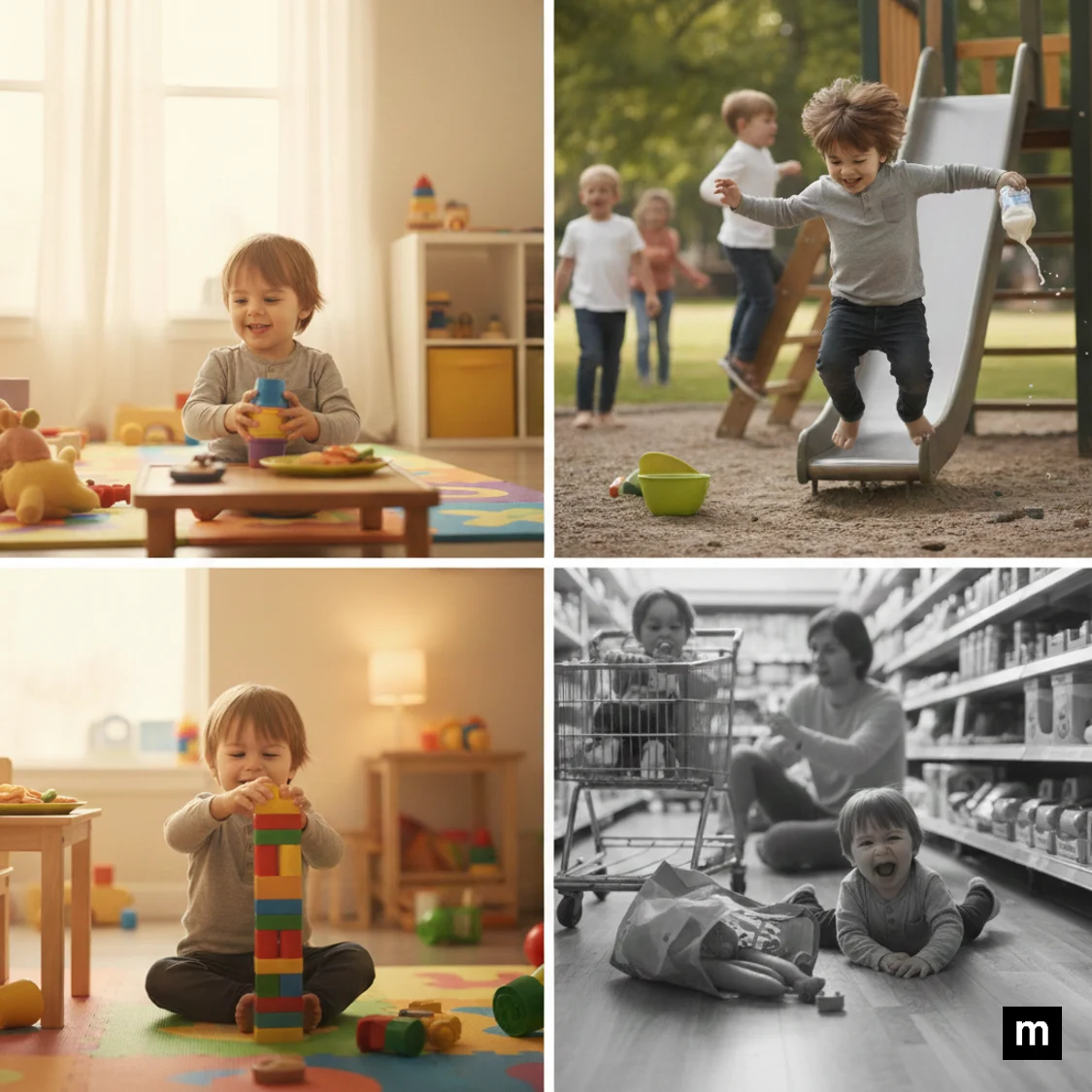
Does your toddler feel like they have an endless motor that never stops? Maybe you have spent late nights searching for answers, wondering, “Is it ADHD?”
If you are in the “wait and see” stage before a formal evaluation, do not let this valuable time slip away. You can begin introducing ADHD toddler activities and routines at home in a calm, structured way that supports focus and daily regulation.
These strategies are rooted in Parent-Led Behavior Therapy—the gold-standard, first-line treatment recommended by experts for children under age 6. These tools help you move from surviving the day to truly supporting your child’s unique development.
What Pediatric Experts Recommend
- Diagnosis Window: According to the American Academy of Pediatrics (AAP),1 formal ADHD diagnosis is usually considered from age 4 onward.
- Early Action: Research published in PubMed shows that early intervention during preschool years significantly improves long-term outcomes.2
- First-Line Treatment: The Centers for Disease Control and Prevention (CDC) recommends behavior therapy as the primary treatment for children under 6, before medication is considered.3
Why Early Action Matters for ADHD in Toddlers
The toddler years are a critical window for brain development. According to the AAP, the brain’s executive function system begins wiring during early childhood.4 This system is responsible for:
- Focus,
- Attention,
- Self‑control, and
- Emotional regulation
Taking early steps is not about rushing into a label. It’s about supporting your child’s brain while it’s most flexible. This flexibility, often called neuroplasticity, means the brain can build new pathways more easily during early childhood. As a result, early support during this stage can strengthen executive function skills before challenges become more deeply ingrained.
Preventing Secondary Problems
Untreated ADHD symptoms can lead to secondary challenges over time, including:
- Low self-esteem
- Frequent parent-child conflict
- Social rejection
- Academic struggles in preschool or early school years
- Increased risk of anxiety or oppositional behaviors
However, early structure and guidance can reduce these risks. When parents understand the “why” behind behaviors, they respond with calm strategies instead of frustration.
Recognizing Early Signs of ADHD in Toddlers
To identify ADHD patterns in toddlers, parents should use a 7-day behavior log to track frequency, intensity, and environment. Focus on six core neurological markers:
- Aimless Movement: Toddler movement feels “motor-driven” and without a clear goal.
- Impulsive “No Brakes”: They may not respond to a firm “Stop” or “No,” often repeating dangerous risks immediately after being corrected.
- Broken Focus/Inattention: Even when engaged in a favorite task, attention breaks instantly with background noise or movement.
- Hyperactive: Activity levels seem constant and excessive, not just playful bursts, and can feel exhausting to manage.
- Intense Emotions: Upsets quickly escalate into “emotional waves” or flooding that takes significantly longer than usual to settle.
- Restless Sleep: Persistent difficulty winding down at bedtime, trouble falling asleep, or frequent night waking.
📝 7-Day Behavior Observation Log
If these symptoms feel familiar, shift from worrying to observing. Use the 7-Day Pre-Evaluation Log below to track patterns clearly and calmly.
How to Use the Tracker
- Step 1: Download the professional behavior log: [Download PDF Here]
- Step 2: Fill in your child’s details. Include name, age (2 to 5 years), and gender.
- Step 3: Observe daily behavior and activities. Watch for patterns such as:
- Aimless movement,
- “No brakes” incidents (impulsivity),
- Distraction,
- Hard transitions, and
- Bedtime resistance or battles
- Step 4: Rate the Intensity. Use a simple 1 to 5 scale:
- 1 = Mild,
- 5 = Extreme
Daily Behavior Tracker Example
1. Daily Behavior Tracker
Mark the box each day. Add environment and rate intensity (1 = mild, 5 = extreme).
| Brain-Based Clue | Environment | Int. | M | T | W | T | F | S | S |
|---|---|---|---|---|---|---|---|---|---|
| Aimless Movement | |||||||||
| Ignores Stop & No | |||||||||
| Easily Distracted | |||||||||
| Hard Transitions | |||||||||
| Bedtime Battles |
2. Weekly Impact Notes
3. At the Time of Appointment
- Show frequency by pointing to the check mark.
- Explain intensity with a 1–5 rating, and
- Share the impact by noting how the behavior affects safety, routines, sleep, or preschool.
7 Science-Backed ADHD Toddler Activities and Routines (At-Home Behavior Therapy)
After one week of tracking behaviors, if concerns remain, begin implementing Parent‑Led Behavior Therapy strategies. These science‑backed routines provide ADHD support for toddlers, helping “wire” the brain for better focus, regulation, and emotional balance.
Aim to practice these ADHD toddler routines at home consistently for 20–30 minutes per day. Even short, structured sessions can make a big difference in calming energy, strengthening attention, and building self‑control.
Strategy Activity Examples The Science (Why it Works) 1. Heavy Work Laundry Train, Wall Pushes, Animal Walks Releases serotonin via proprioceptive input to calm the nervous system. 2. Balance Slow Rocking, Tightrope Walk, Rolling Races, Stop-and-Go Regulates arousal by activating the vestibular system (inner ear) to improve coordination and focus. 3. Sensory Play Sensory Bins, Bubble Breathing, Playdough Lowers cortisol (stress) by removing the element of surprise during activity shifts. 4. Transitions Visual Timers, First/Then, Musical Cues Lowers cortisol (stress) by removing the element of surprise. 5. Visuals 3-Step Picture Charts (Toilet → Brush → Bed) Supports working memory and reduces cognitive load/resistance. 6. Regulation Short Board Games, Yoga, Memory Match Strengthens the prefrontal cortex and builds impulse control. 7. Environment Toy Rotation, Dimmable Sensory Lighting Reduces sensory overload and triggers natural melatonin for better sleep.
1. Heavy Work Activities for ADHD Toddlers

A toddler who “never stops” is often seeking feedback for their muscles and joints. Heavy work provides deep pressure to calm the nervous system.
Try these heavy work at home:
- The “Laundry Train”: Push a laundry basket filled with clothes or books across the floor.
- The “Wall Push”: Tell them the wall is falling and they need to use their strongest muscles to hold it up for 30 seconds.
- Animal Walks: Practice “Crab Crawls” or “Bear Walks” to the bathroom or dinner table instead of walking normally.
💡 How ADHD Activities Help Toddlers (The Science): Heavy work activates proprioceptive input through muscles and joints.5 Deep pressure signals the brain to release serotonin, a natural calming chemical that helps regulate hyperactivity.
2. Balance and Movement Regulation Activities For ADHD Toddlers
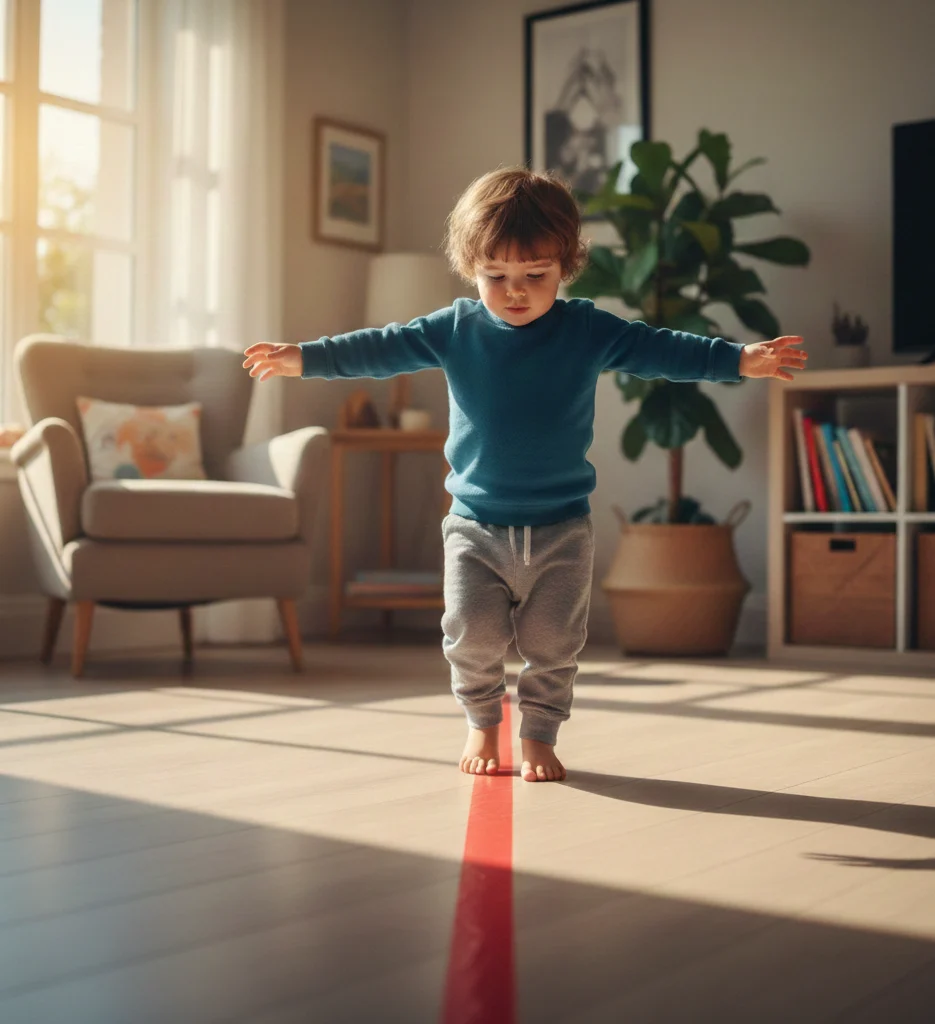
The vestibular system (located in the inner ear) controls balance. For an ADHD toddlers, controlled swinging or rhythmic movement can help “level out” their energy.
Try these vestibular input activities at home:
- Slow Rocking: Use a rocking chair or a large therapy ball to rock your child rhythmically.
- The “Tightrope Walk”: Lay a piece of painter’s tape on the floor and have them walk across it slowly, heel-to-toe.
- Rolling Races: Roll across the floor like a log or down a soft mat.
- Stop-and-Go Dancing: Have them spin or jump, then freeze immediately when you say “Stop!”
💡 How ADHD Activities Help Toddlers (The Science): Vestibular input activates the balance centers in the inner ear, which connect to the brainstem and cerebellum.6 This helps regulate arousal levels, improves coordination, and supports attention.
3. Sensory Play for ADHD Toddlers

Toddlers with ADHD-like behaviors often swing quickly from joy to frustration. Sensory play helps them practice their “internal brakes.”
Try these sensory play activities at home:
- Tactile Sensory Play: Fill a bin with rice or beans. Digging and scooping provides soothing tactile input and builds sustained attention.7
- Bubble Breathing: Blow bubbles together. Encourage slow, deep breaths to make “giant bubbles.” This is a physical way to practice calming the nervous system.
- Playdough or Clay – squeezing, rolling, shaping
💡 How ADHD Activities Help Toddlers (The Science): High-tactile sensory play provides a controlled “dopamine hit” that satisfies the brain’s search for stimulation. This reduces the need for aimless movement, allowing the prefrontal cortex to practice sustained engagement.
4. Transition Tools for ADHD Toddlers
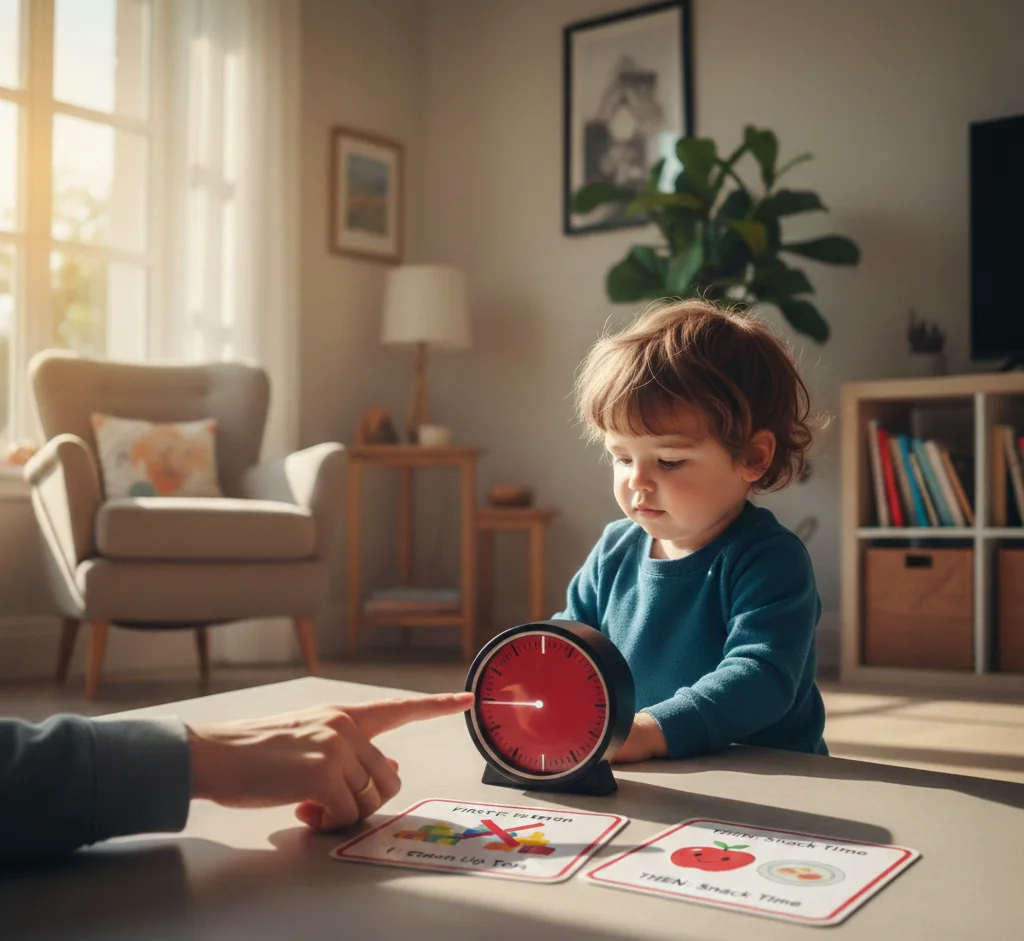
Toddlers with high energy often find it hard to move from one activity to the next. Sudden changes can lead to meltdowns or resistance. Predictable cues help them know what’s coming and make transitions smoother.
Try these transition activities at home:
- Visual Timers: Show when playtime ends and snack time begins.
- First/Then Language: Keep instructions simple: Say, “First we clean up blocks, then we read a story.”
- Musical Cues: Play the same short song to signal bedtime. The brain begins to associate the tune with winding down.
💡 How ADHD Activities Help Toddlers (The Science): Transitions can raise cortisol (the stress hormone), putting the brain in “fight or flight” mode. Predictable cues act like a bridge, lowering stress hormone and helping toddlers shift calmly.
5. Visual Schedules for ADHD Toddlers
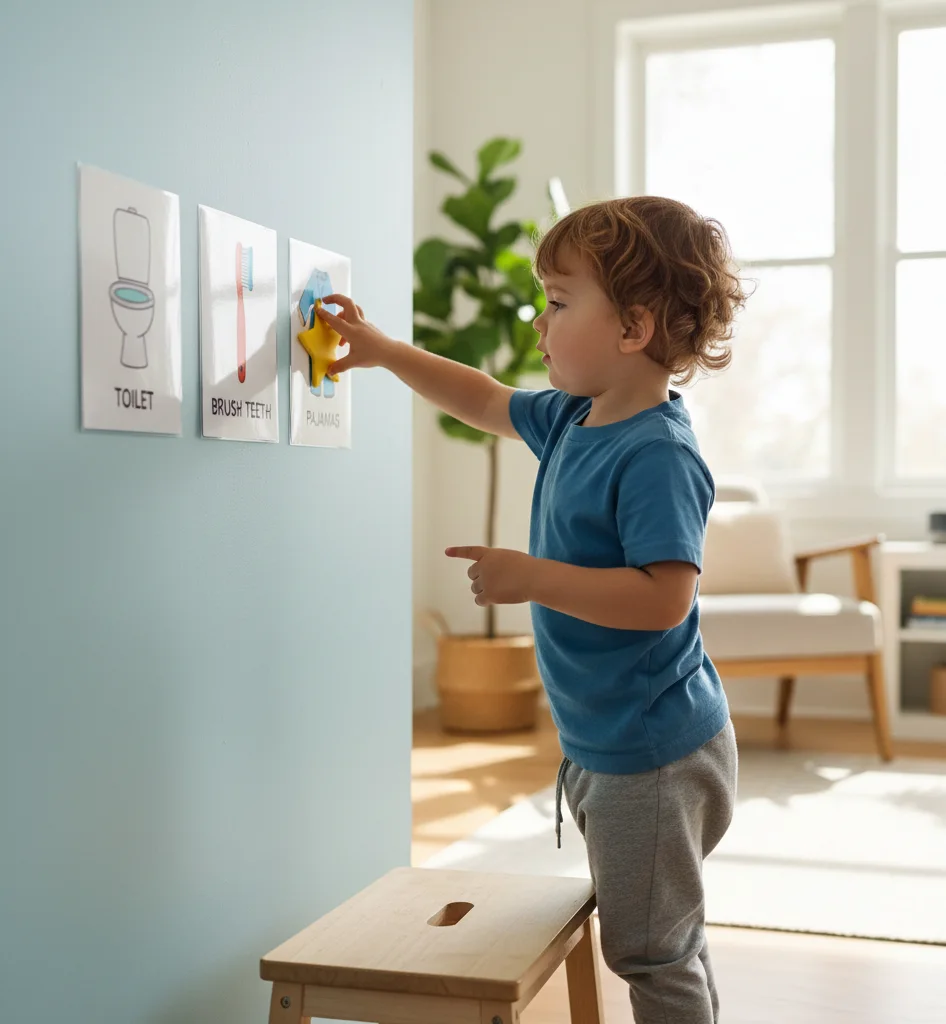
The ADHD brain can struggle with routines, and spoken instructions may get lost. A picture-based chart makes abstract routines concrete. Try these simple 3-step visual chart for morning and bedtime routines
e.g., Toilet → Brush Teeth → Pajama
💡 How ADHD Activities Help Toddlers (The Science): Visual act as an external memory support, so the brain does not have to hold every step at once. In addition, predictable routines lower the stress hormone cortisol, which improves cooperation.
6. Focus and Regulation Games for ADHD Toddlers
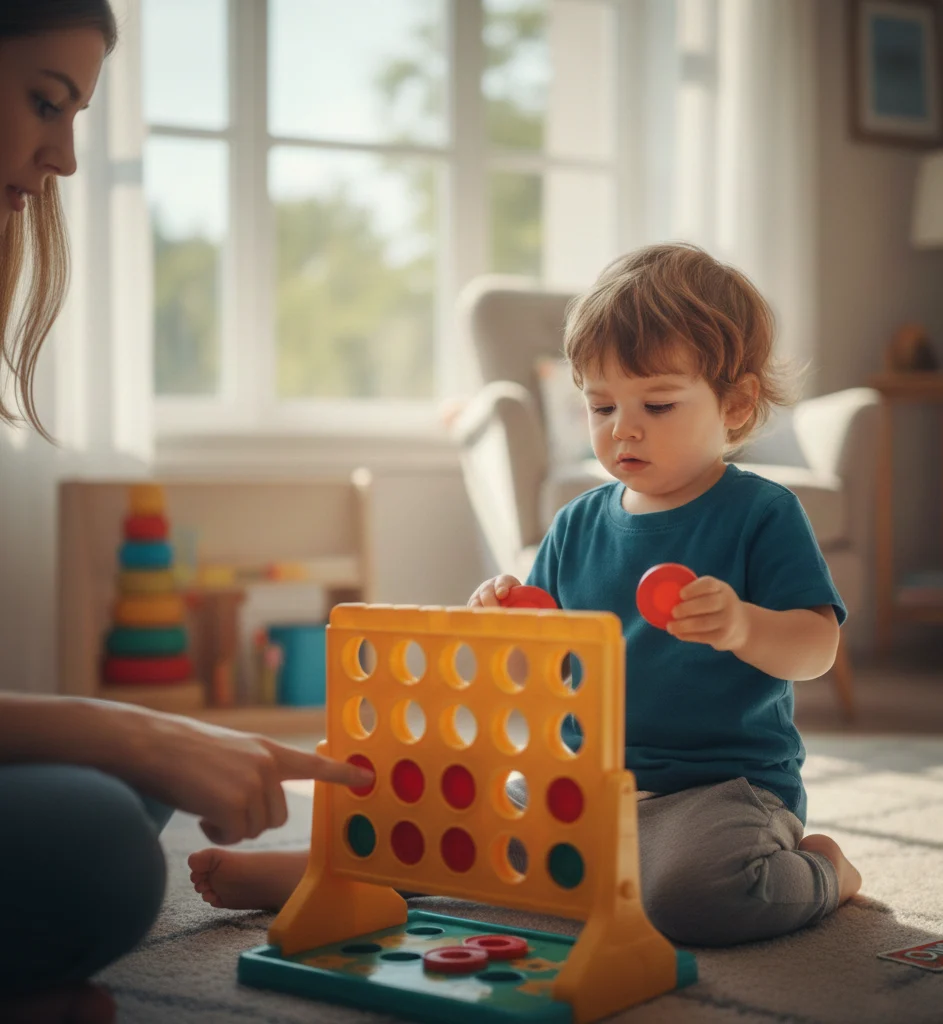
Short structured games can help toddlers practice focus, patience, and self‑control in fun ways. These games teach turn‑taking, strengthen attention span, and build impulse control in short bursts that match a toddler’s developmental window. Try these following activities:
- Board Games with Short Rounds: Uno, Connect Four. It practices turn‑taking and waiting.
- Mindfulness Activities: Guided breathing, simple yoga poses. It encourages calm and body awareness.
- Memory/Matching Games: Card flips, puzzles. It strengthens working memory and concentration.
💡 How ADHD Activities Help Toddlers (The Science): These games strengthen the prefrontal cortex, support dopamine pathways, and reduce cortisol. These activities also increase serotonin, which supports mood and emotional balance.
7. Environment Optimization for ADHD Toddlers
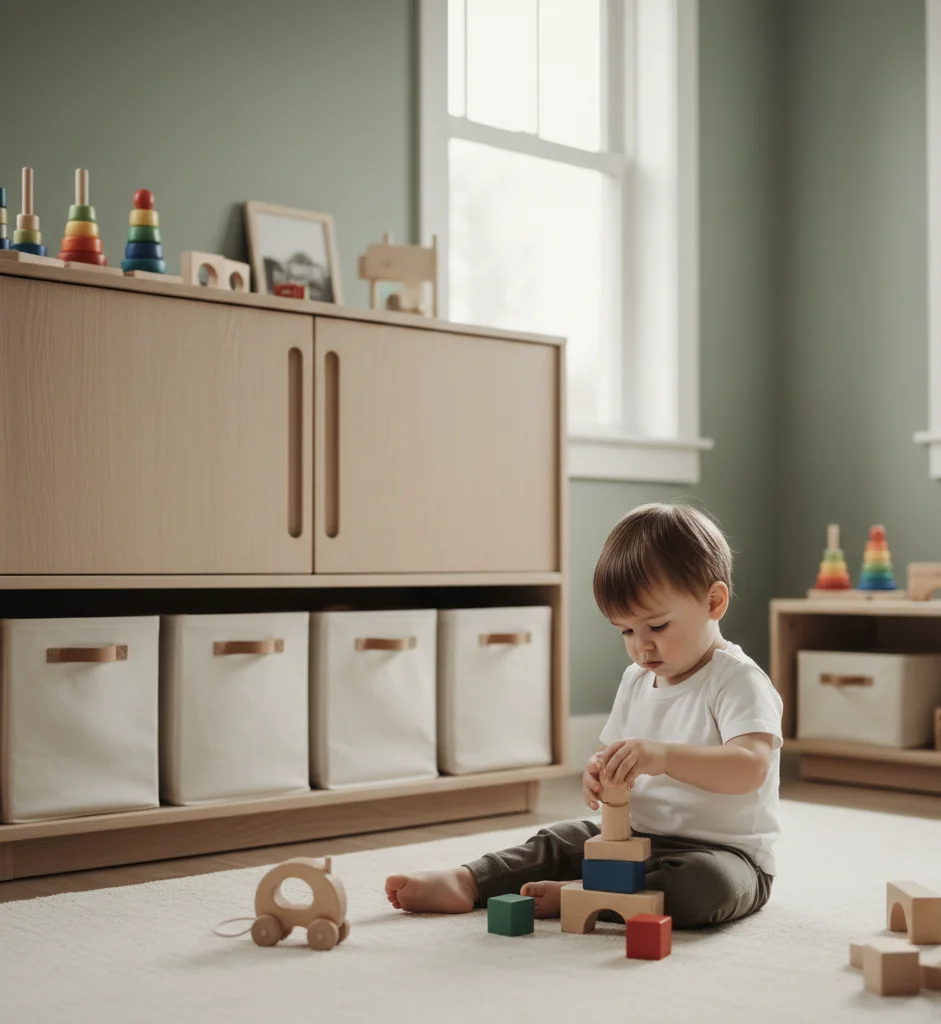
Busy or bright rooms can make it harder for ADHD brains to focus. A calmer environment reduces stress and supports regulation. Try these following activities:
- Toy Rotation: Only keep 3–5 toys out at a time. Hide the rest to reduce visual “noise.”
- Sensory Lighting: Use dimmable lights in the evening to trigger natural melatonin.
💡 How ADHD Activities Help Toddlers (The Science): A simple, organized space lowers stress (cortisol) and helps kids feel calm. Dim lights in the evening boost melatonin for sleep, while balanced sensory input keeps dopamine steady for better attention.
The “Golden Window”: Tracking the Post-Activity Response
The 15–20 minutes after an activity tell you a lot. This is when you can see whether the routine helped your child regulate.
Look for one of four responses:
- Calming Response: Your child seems more settled and can sit for snack or a short story.
- More Focused Response: Attention improves or transitions feel smoother.
- Over-Stimulation: Your child becomes more restless or irritable.
- The Under-Responsive State: No change is observed. This suggests the activity did not provide enough sensory “input” to register in their nervous system.
How to Use Post Activity Response Tracker (Log)
To see what is actually working, you must track the “Shift.” Follow these three steps:
- Download Post-Activity Analysis Sheet: [Download PDF Here]
- Rate the “Before”: Before starting an activity, rate your child’s current intensity (1–5) in your log.
- Do the Activity: Engage in 20 minutes of one of the 7 strategies (like Heavy Work).
- Observe the “Golden Window”: Wait 15–20 minutes after the activity ends, then rate their intensity again.
Results Interpretation: Looking for the “Regulation Shift”
When you review your logs at the end of the week, compare your “Before” and “After” scores:
- ✅ Success Signal: When the scores shift from high intensity (5) before the activity to a regulated state (2) after the activity, it is a clear signal that the routine is working for your child’s brain.
- ⚠️ Red Flag Signal: If the intensity remains at a 5 or increases, that specific activity should be paused or modified.
Sample Response Log
This sample shows how a parent tracks the shift from high-intensity (5) to a regulated state (2).
Activity Before (1–5) After (1–5) Response Type Result Laundry Train 5 2 Calming ✅ Success Animal Walks 5 2 Calming ✅ Success Sensory Bin 4 2 Focused ✅ Success Slow Rocking 4 4 Under-Responsive ⚠️ Modify Musical Cue 4 3 Mild Calming 💡 Potential
When to See a Developmental Specialist
While many pediatricians suggest a “wait and see” approach for toddlers, your data may tell a different story. If your 7-Day Behavior Observation Log shows persistent patterns, it is time to request a referral to a Developmental-Behavioral Pediatrician or a Child Psychologist.
3 Signs It’s Time to Move Beyond Your General Pediatrician
- The “Universal” Rule: The behaviors (impulsivity, aimless movement, etc.) happen everywhere—home, daycare, and the playground—not just during high-stress moments.
- Safety Concerns: Your log shows frequent dangerous incidents, such as running into the street or jumping from high furniture even after you’ve said “no.”
- Family Impairment: The behaviors are making daily life too hard—causing a major lack of sleep, making it impossible to go to the store, or resulting in your child being asked to leave their daycare or preschool.
The Takeaway: Moving from Worry to Action
You do not have to sit in the “wait and see” lane. While a formal diagnosis usually happens at age 4 or 5, your child’s brain is growing right now.
This is a powerful window for observation and structure. When you combine the 7‑Day Observation Log with simple, consistent ADHD toddler routines at home, you shift from worry to understanding. Instead of replaying concerns in your mind, you begin to see clear patterns.
Over time, this approach gives you three meaningful advantages:
- Gaining Clarity: You move from emotional guesswork to observable patterns.
- Confidence: You understand what helps your child regulate and what does not.
- Credibility: You bring structured, real-life observations into medical conversations.
Early support is not about labeling. It is about guiding development during a period of rapid brain growth. Consistent routines, calm transitions, and thoughtful tracking can gradually strengthen your child’s focus and self-regulation.
Frequently Asked Questions (FAQ): ADHD Toddler Activities and Routines
Q1. What are the early signs of ADHD in toddlers?
Early signs focus on five core markers: aimless movement, impulsivity (“no brakes”), shattered focus, emotional flooding, and restless sleep cycles. Unlike typical energy, these behaviors are constant across settings like home, daycare, and the playground.
Q2. Can ADHD be diagnosed before age 4?
ADHD is rarely diagnosed before ages 4–5. In the toddler years, specialists focus on observing consistent behavior patterns rather than giving a formal diagnosis.
Q3. How can I track ADHD‑like behaviors at home?
Use a 7‑Day Observation Log to record intensity, environment, and frequency of behaviors. Pair it with a Post‑Activity Response Tracker to see how your child reacts to calming or focusing activities.
Q4. What is a 7-day behavior log for ADHD?
A 7-day behavior log is a tool used by parents to track the frequency, intensity, and environment of specific behaviors. Recording these patterns over a full week provides objective data that is incredibly helpful for pediatricians during an initial evaluation.
Q5. How can I support my toddler at home right now?
Start with structured activities and routines: heavy work for calming, sensory play for focus, transition cues for smoother changes, visual schedules for independence, and environment optimization (toy rotation, sensory lighting).
Q6. What activities help toddlers with ADHD‑like behaviors?
Helpful activities include heavy work (laundry train, wall push, animal walks), sensory play (bubble breathing, sensory bins, playdough), and transition cues (visual timers, musical cues). These strategies support focus and regulation.
Q7. Why is the 20‑minute window important after activities?
The 15–20 minutes immediately after an activity reveal whether your child’s nervous system is calmed, focused, overstimulated, or unchanged. This helps identify which strategies act like “medicine” for focus.
Scientific References
📚 Click to view references
- American Academy of Pediatrics. ADHD: Clinical Practice Guideline for the Diagnosis, Evaluation, and Treatment of Attention-Deficit/Hyperactivity Disorder in Children and Adolescents. Pediatrics. 2011;128(5):1007–1022. View Source
- Feil EG, Small JW, Seeley JR, Walker HM, Golly A, Frey A, Forness SR. Early Intervention for Preschoolers at Risk for Attention-Deficit/Hyperactivity Disorder: Preschool First Step to Success. Behav Disord. 2016 Feb;41(2):95-106. View Source
- Centers for Disease Control and Prevention. Clinical Care of ADHD – Treatment Recommendations. CDC; updated October 15, 2024. View Source
- Yogman, M., Garner, A., Hutchinson, J., Hirsh-Pasek, K., & Golinkoff, R. M. (2018). The Power of Play: A Pediatric Role in Enhancing Development in Young Children. Pediatrics, 142(3), e20182058. View Source
- Guardado KE, Sergent SR. Sensory Integration. [Updated 2023 Jul 31]. In: StatPearls [Internet]. Treasure Island (FL): StatPearls Publishing; 2025 Jan-. View Source
- Goetz M, Schwabova JP, Hlavka Z, Ptacek R, Surman CB. Dynamic balance in children with attention-deficit hyperactivity disorder and its relationship with cognitive functions and cerebellum. Neuropsychiatr Dis Treat. 2017 Mar 21;13:873-880. View Source
- Oh S, Jang JS, Jeon AR, Kim G, Kwon M, Cho B, Lee N. Effectiveness of sensory integration therapy in children, focusing on Korean children: A systematic review and meta-analysis. World J Clin Cases. 2024 Mar 6;12(7):1260-1271. View Source
